
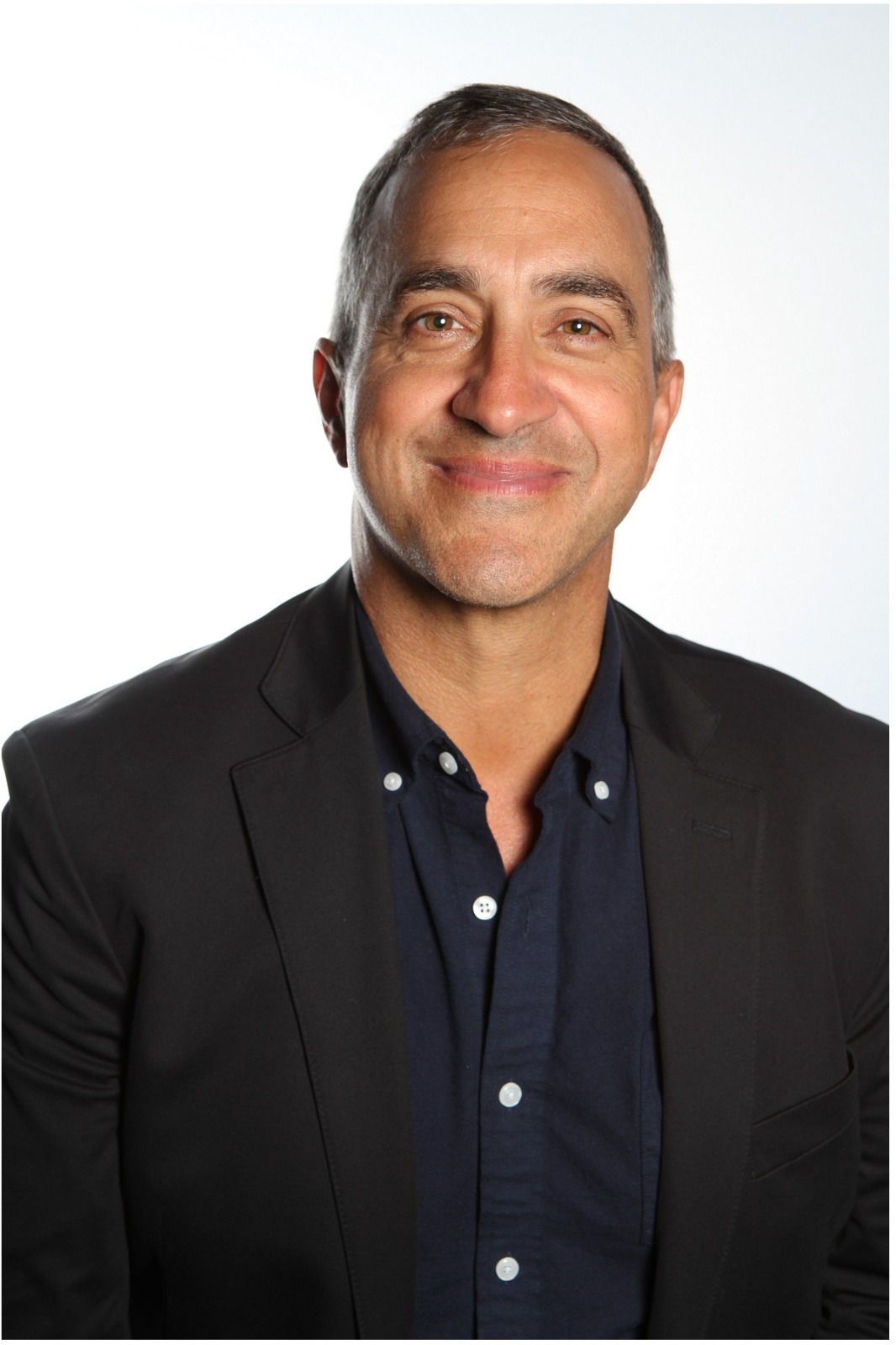

Quantum computing may still feel like a technology of the future, but its potential cybersecurity impact is becoming a concern for businesses today. On this week’s MSP Influencer Primecast, Joey Pinz speaks with Rajesh Patil of enQase about quantum computing, AI, encryption, and why organizations should begin thinking about a quantum-safe future.
Here are four key takeaways from the conversation.

1. Q-Day Is a Risk Businesses Need to Understand
Patil describes Q-Day as the point when a sufficiently capable quantum computer can break encryption algorithms businesses rely on today. While the exact timing is uncertain, Patil believes the important question is how organizations would respond if it happened sooner than expected. Because encryption protects so much of the digital world, preparing for that possibility could become an increasingly important cybersecurity priority.

2. The Quantum Threat Isn’t Entirely in the Future
One of the most significant risks Patil discusses is “harvest now, decrypt later.” Attackers can collect encrypted information today and potentially decrypt it in the future when more powerful quantum computing becomes available. This is particularly concerning for sensitive information with a long useful life, including personally identifiable information. For MSPs, it adds a new dimension to conversations about protecting client data over the long term.

3. Crypto Agility Can Help Businesses Prepare
Patil explains that organizations will need to transition from vulnerable classical cryptography toward quantum-resistant approaches. He also emphasizes crypto agility—the ability to replace cryptographic algorithms as technology and threats evolve. Because these migrations can take years for larger or more complex organizations, the conversation around quantum readiness isn’t simply about replacing an algorithm. It’s about building the ability to adapt.

4. AI Still Needs Human Oversight
Patil is enthusiastic about AI’s ability to improve efficiency, handle routine tasks, and uncover patterns across large amounts of information. But he also stresses the importance of verification. AI can hallucinate, unintended consequences can occur, and bad actors have access to the technology as well. His approach is clear: AI can augment human intelligence, but today he still wants a human in the loop.

What This Means for MSPs
Quantum computing and AI are developing quickly, and both could reshape how businesses approach technology and cybersecurity. Patil’s perspective is that uncertainty shouldn’t prevent businesses from preparing. With quantum computing advancing and AI evolving quickly, organizations need to consider the risks, account for the unknowns, and think about how they will adapt.