
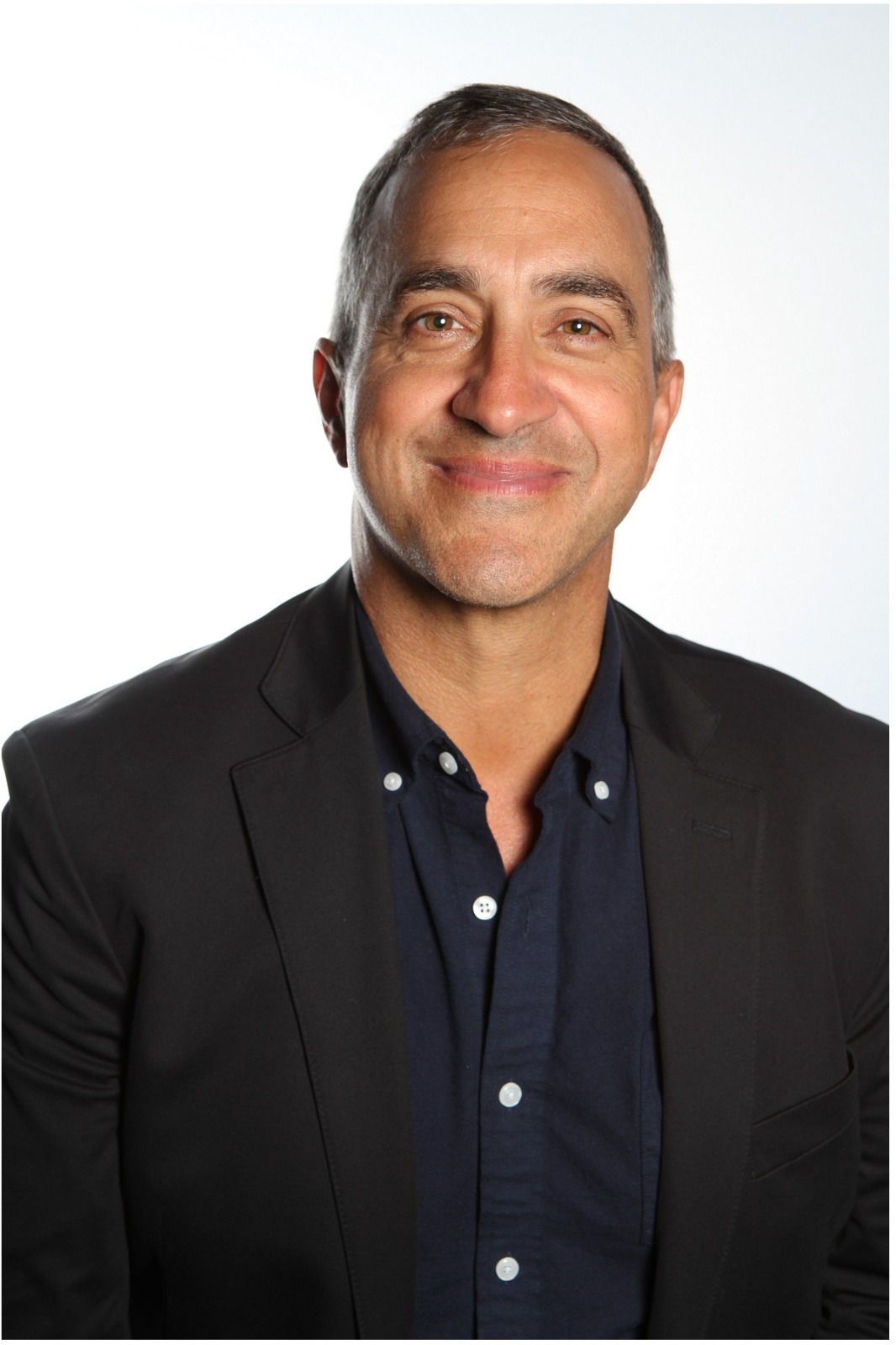


Episode #690 of the MSPi PrimeCast
MSPs today face unprecedented pressure: rising client expectations, talent shortages, evolving threats, and the accelerating pace of automation and AI. Yet amid these challenges, few leaders have influenced how MSPs think about operational maturity as deeply as Aharon Chernin. His philosophy—rooted in community, discipline, continuous learning, and bold innovation—offers MSPs a roadmap for building stronger, more resilient, and more scalable service organizations.
Drawing from his insights and the transcript provided, here are six core principles that define Aharon Chernin’s approach to MSP growth and innovation—and how any MSP can apply them.

1. Treat Automation as a Strategic Differentiator, Not a Back-Office Project
For Chernin, automation is not simply about making technicians faster—it’s about transforming the value proposition of an MSP. Automated MSPs don’t just “work more efficiently”; they deliver service at a level manual operations simply cannot match. This becomes a competitive advantage long before it becomes a cost savings strategy.
MSPs should:
• Link automation efforts to revenue protection and revenue growth—not just workload reduction.
• Automate for consistency first, then scale.
• Position automation as part of your narrative during sales conversations.
Automation isn’t an accessory—it’s an engine for growth.

2. Build a Community Before You Build a Product
One of Chernin’s most distinctive principles is community-led growth. He has built environments where MSPs collaborate, share workflows, compare strategies, and improve together. This accelerates innovation far faster than isolated product development or internal testing ever could.
MSPs should:
• Participate actively in vendor and peer communities—not for marketing, but for learning.
• Encourage technicians to share discoveries and borrow insights from others.
• Treat community as a core extension of your R&D function.
When the community grows, the entire ecosystem advances.

3. Be Honest About Your Operational Maturity
Chernin calls out a surprising barrier: many MSPs believe they’re automated when they’re not. The hardest leap is from level zero to level one, because it requires acknowledging that manual processes still dominate operations. Once that mindset shifts, progress accelerates.
MSPs should:
• Conduct a maturity audit—identify where human intervention is still required.
• Expose inconsistencies in service delivery, even if they’re uncomfortable.
• Celebrate progress levels instead of treating automation as binary.
Growth begins with clarity.

4. Prioritize Personal Discipline to Strengthen Organizational Discipline
Chernin’s personal habits—rigorous physical activity, structured routines, and mental resets—reveal a core belief: leaders set the operational tone. When founders and executives operate with discipline, structure flows naturally into the organization.
MSPs should:
• Protect time for strategy—not just daily fires.
• Use routines to maintain clarity and reduce overwhelm.
• Encourage team-wide habits that support performance and predictability.
Operational excellence starts at the top.

5. Embrace Adaptability as a Leadership Superpower
Chernin frequently revises decisions when new data emerges—a stark contrast to leaders who cling to old choices. In a rapidly changing MSP environment, adaptability is not optional. It is a strategic asset.
MSPs should:
• Reevaluate tools, pricing, and service offerings on a regular cadence.
• Build processes flexible enough to evolve with client needs.
• Normalize course-correction as a sign of strength, not indecision.
The MSPs that thrive are the ones that stay in motion.

6. Measure Success by the Impact You Leave on the Industry
Chernin’s goal isn’t simply commercial success—it’s lasting change. His vision centers around elevating the entire MSP community by making automation accessible, understood, and embraced at scale. This broader impact fuels innovation and inspires loyalty.
MSPs should:
• Align internal goals with long-term industry impact.
• Build systems, workflows, and knowledge that uplift clients and partners.
• Create an MSP that contributes to the future—rather than reacting to it.
Legacy is built through contribution.

MSP Takeaway
Aharon Chernin’s core principles highlight a truth many MSPs overlook: success in the modern era requires more than tools. It demands community, discipline, honesty, adaptability, and a willingness to challenge old assumptions. MSPs that adopt these principles will not only grow—they’ll help shape the next evolution of the industry.
 Catch the full conversation on MSPi PrimeCast Episode #690 and connect with Aharon at https://rewst.io/