
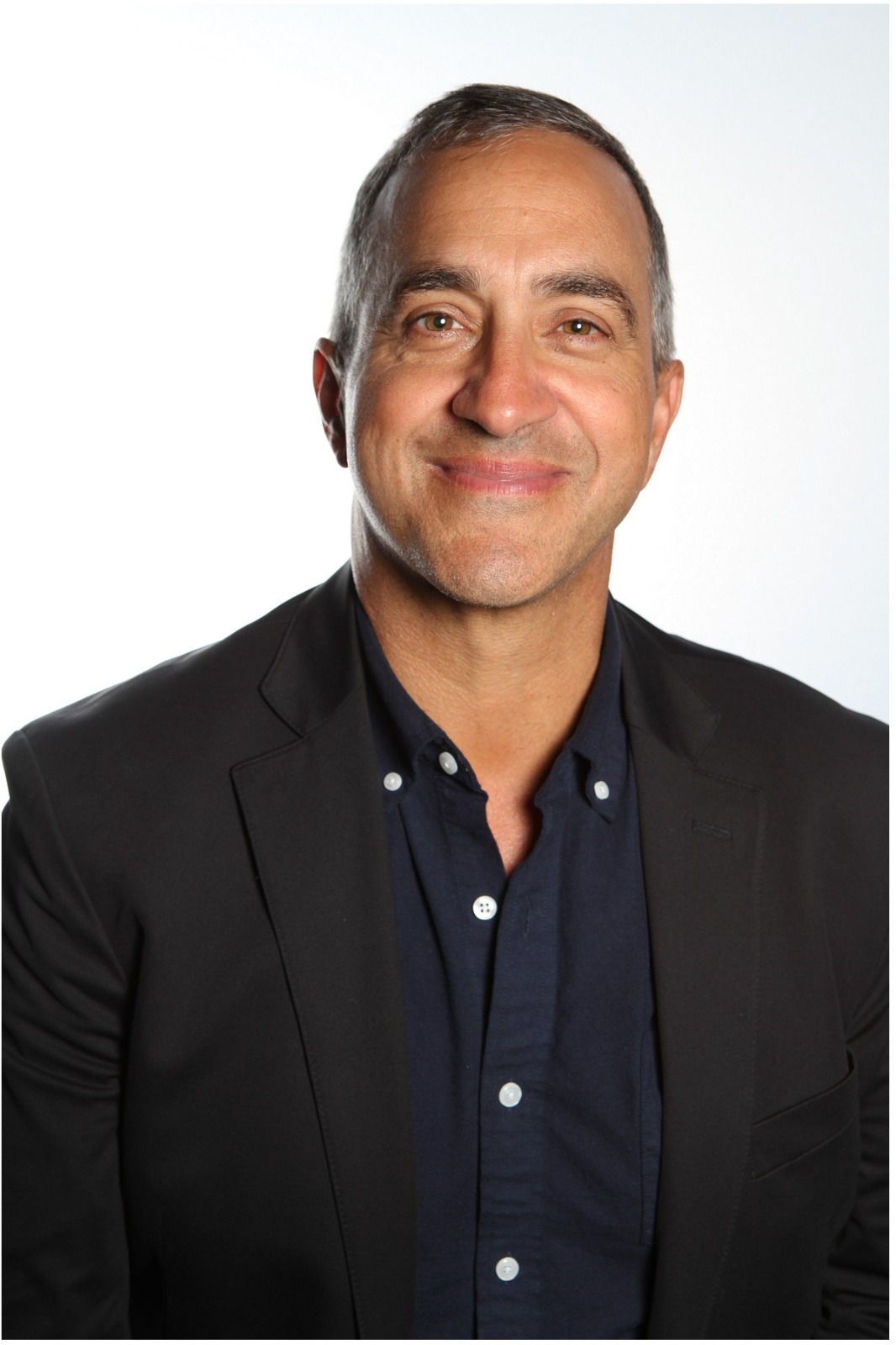


Episode #699 of the MSPi PrimeCast
The MSP industry often talks about tools, technology stacks, and service delivery models — but the real differentiators are almost always human. Marquel McDowell’s approach to work, relationships, and personal discipline offers a lens MSPs can use to build stronger teams and healthier companies. His philosophy centers on how people connect, how culture shapes performance, and how daily habits influence long-term success.
Here are seven ways MSPs can apply these themes inside their organizations.

1. Culture Should Be Intentionally Designed, Not Accidental
Many MSPs grow quickly and assume culture will “figure itself out.”
It never does.
Marquel’s outlook reinforces how important it is to create a culture that feels supportive, collaborative, and human. This includes daily communication norms, how teams interact, how new hires are welcomed, and how leaders show up. Intention is the difference between a culture that energizes people and one that drains them.

2. People Thrive When They Feel Connected to Something Bigger
Community is more than an internal Slack channel — it’s a sense of belonging.
Marquel’s way of engaging with people reflects the idea that individuals perform better when they feel connected to their peers, their mission, and their clients. MSPs that foster this connection often see higher retention, stronger relationships, and smoother collaboration across technical and non-technical roles.

3. Discipline Creates Stability in a Chaotic Industry
The MSP space is unpredictable by nature. Emergencies, alerts, escalations, scheduling conflicts — they never fully go away.
What you can control is discipline.
Marquel’s emphasis on routine, personal focus, and showing up consistently can be mirrored in MSP operations: structured workflows, proactive planning, set communication patterns, and predictable client engagement. Discipline reduces emotional load and operational stress.

4. Curiosity Should Be Encouraged Daily, Not Reserved for Training Week
Marquel embodies curiosity — asking questions, exploring ideas, and challenging assumptions.
But in many MSPs, technicians stop asking questions because they feel too busy or fear looking inexperienced.
Leaders can flip this by rewarding curiosity: bringing new tools to lunch-and-learns, discussing unfamiliar threats as a team, or openly exploring mistakes. Curiosity future-proofs the organization.

5. Trust Unlocks Higher-Quality Work
Micromanagement suffocates talented people.
Marquel’s philosophy leans heavily on trust — trust that people can manage their work, trust that they know when to ask for help, and trust that autonomy leads to better performance.
For MSPs, giving team members space to approach problems in their own way strengthens ownership and creativity, which directly translates into better client outcomes.

6. Growth Comes From Shared Experience, Not Isolated Effort
Learning alone is slow; learning together is exponential.
Marquel’s emphasis on shared experiences aligns with what high-performing MSPs already know: team development improves when people solve challenges as a group. Planning sessions, cross-team ticket reviews, and collaborative problem-solving build a stronger knowledge base and reduce dependency on a few key individuals.

7. Personal Stability Fuels Professional Performance
One of the most powerful themes connected to Marquel is the relationship between personal habits and work performance.
Lifestyle influences mindset. Mindset influences decisions.
For MSPs — where calm thinking and fast judgment matter — supporting healthy habits is strategic. Flexible scheduling, mental-health awareness, and clear workload expectations help technicians stay sharp and supported.
