

Kaseya isn’t just adding AI to its platform—it’s redefining how IT work gets done.
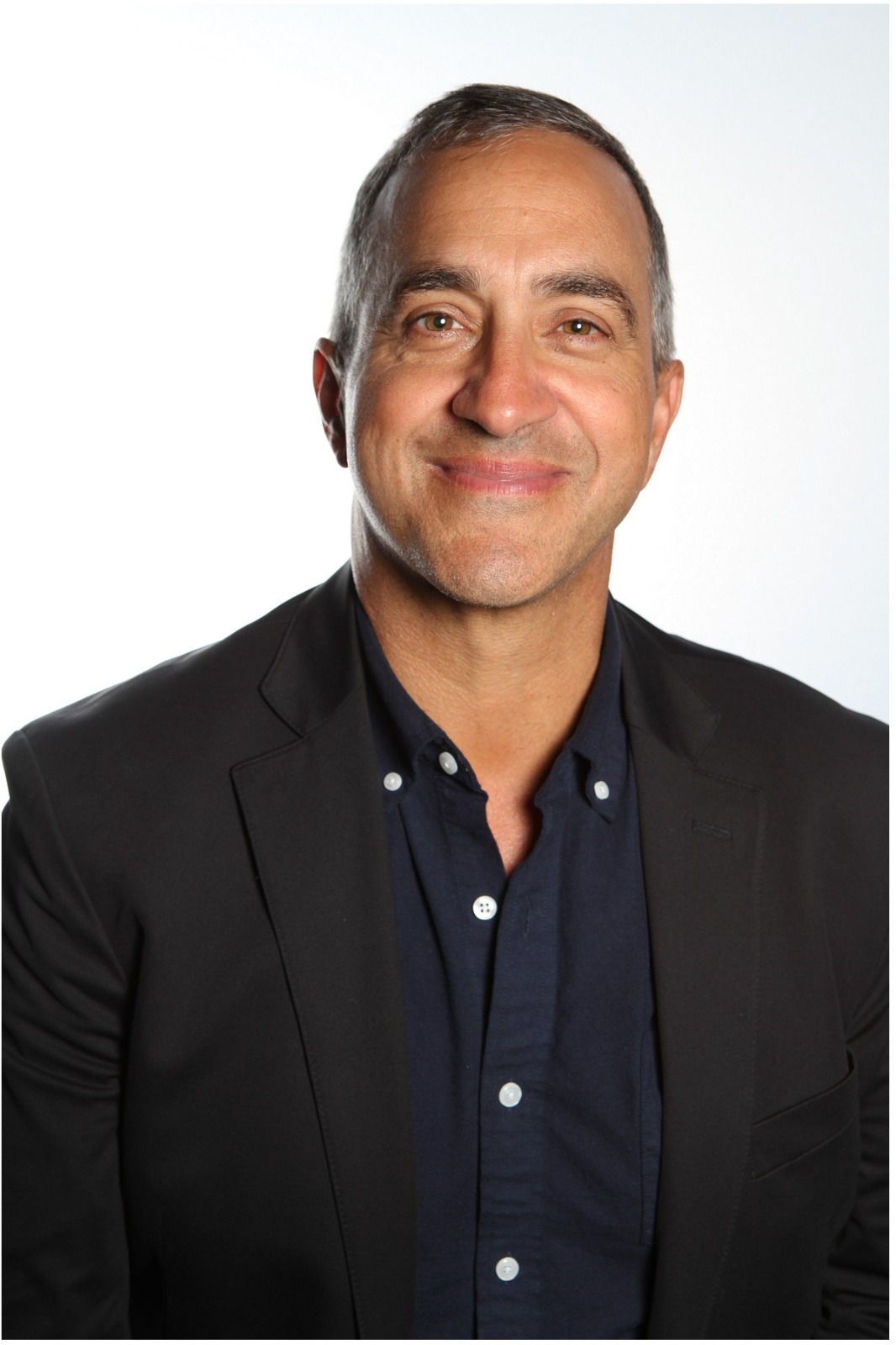
At Connect 2026, CEO Rania Succar delivered a standout keynote that set the tone for the entire event. Rather than focusing on incremental improvements or feature releases, she framed a much bigger shift: moving from systems that surface insight to systems that actually execute. That message carried through every announcement and discussion that followed.
At the center of it all was the introduction of what Kaseya calls the first agentic IT management platform, powered by Kaseya Intelligence. The difference is structural. Instead of relying on technicians to act on alerts and recommendations, the platform connects data across IT operations, cybersecurity, and backup—and executes directly against it.
That includes ticket triage, threat containment, backup verification, and workflow optimization happening without manual intervention.
This isn’t just a product update. It’s a shift in how MSPs operate.
Here are 9 insights from the event that define that shift.


1. AI Is No Longer a Feature—It’s Becoming the Operating Layer
One of the clearest themes from the keynote and announcements is that AI is moving beyond add-ons. The industry has spent years layering intelligence on top of disconnected tools, but that hasn’t solved the underlying problem.
Kaseya’s approach positions AI as part of the core system—something that operates across workflows, not just within them. That shift changes how decisions are made and how actions are executed across environments.

2. The Real Problem Isn’t Visibility—It’s Execution
Across the keynote sessions, one issue kept coming up: MSPs are overwhelmed, not under-informed.
Teams are dealing with constant alerts, tickets, and fragmented systems. Even with better insights, most environments still rely on technicians to take the next step.
That creates delays, inefficiencies, and missed opportunities to resolve issues earlier. The shift toward autonomous IT is aimed directly at closing that gap.

3. Unified Data Is What Makes Autonomous Action Possible
A major point emphasized in both the press release and the keynote is that disconnected data leads to poor outcomes.
Kaseya is building its platform on large-scale, real-world datasets spanning help desk tickets, endpoints, backup systems, and security signals. More importantly, that data is unified.
That allows the system to act with context—across systems—rather than making isolated decisions inside individual tools.

4. Ticket Triage Is the First Real Step Toward Autonomy
Kaseya introduced its first Digital Specialist focused on ticket triage, and that choice is intentional.
Ticket classification and routing are high-volume, error-prone tasks that create downstream issues—slower resolution times, inefficient technician use, and billing inconsistencies.
Early results shared at the event showed meaningful improvements in accuracy and operational efficiency. It’s a practical starting point for a broader automation strategy.

5. A “Digital Workforce” Model Is Beginning to Take Shape
The concept of Digital Specialists signals a move beyond simple automation.
These are purpose-built systems designed to handle specific IT tasks—from triage today to remediation, onboarding, and security response in the future.
The goal isn’t to replace technicians. It’s to remove repetitive work so teams can focus on higher-value activities.

6. Security, Backup, and Operations Are Converging
Another major theme across the event was the breakdown of traditional silos.
Security, backup, and IT operations are being pulled into a unified model because real-world incidents don’t stay contained in one system.
Kaseya’s platform reflects that reality—bringing these functions together to improve coordination, reduce friction, and speed up both detection and recovery.

7. Complexity Remains the Biggest Barrier in Security
The introduction of Kaseya SIEM reinforced something MSPs already know: security tools are often too complex to operate effectively at scale.
The focus here is on simplifying that experience—correlating signals across multiple sources, reducing alert noise, and enabling response without requiring specialized resources.
This is less about adding capability and more about making security operational.

8. The Shift to Autonomous IT Will Be Incremental
There was no suggestion that this transformation happens overnight.
Throughout the keynote, the message was consistent: autonomous IT will develop gradually—starting with routine, high-volume tasks and expanding over time.
That progression mirrors how MSPs actually evolve their operations and adopt new technology.

9. The MSP Business Model Is Beginning to Change
One of the most important insights from the event wasn’t technical—it was economic.
As systems take on more of the work, the value MSPs deliver shifts away from activity and toward outcomes.
That means less focus on tickets and devices, and more focus on:
- Issues prevented
- Incidents avoided
- Systems stabilized
This has implications for how MSPs position, price, and communicate their services moving forward.

